
mobile header

Overview

image

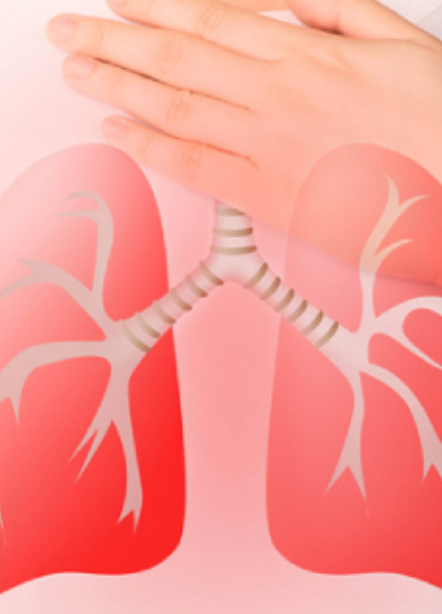
Trachea is a part of the respiratory system that connects the larynx to the bronchi. Several cells are present in the trachea, such as those lining the trachea or the glandular cells. Mutation in these cells results in uncontrolled growth and division, leading to tracheal cancer.

The tracheal tumor may be primary or secondary. While the primary tracheal tumor starts from the trachea, the secondary tumor initiates at other nearby organs such as the esophagus, lung, thyroid gland, or larynx, and invades the trachea. As cancer progresses, it blocks the trachea, resulting in respiratory symptoms.

Taking On Cancer, Together !​

Life does not stop when cancer strikes.​

We are with you in this fight to win over cancer. We are here to give you the strength to recover through a comprehensive cancer care program.

Request an Appointment
Life Does Not Support

Frequently Asked Questions (FAQs)

Treatment may include surgery, radiation therapy, chemotherapy, or a combination, depending on the type, size, and location of the tumor.

Diagnosis typically involves imaging tests like CT scans, MRI, and bronchoscopy to visualize the trachea and obtain a biopsy for accurate evaluation.

Patients with tracheal tumors may experience persistent cough, difficulty breathing, wheezing, hoarseness, or occasional coughing up blood.

Prognosis depends on tumor type, stage, and overall health; early detection and treatment improve outcomes significantly.

You can call the helpline at 1800 208 2000 or book an appointment online through AOI https://www.americanoncology.com/bookanappointment

Tracheal tumors are abnormal growths that develop in the trachea, which can be benign or malignant, affecting breathing and airway function.

Yes, techniques such as endoscopic removal or laser therapy can be used for certain benign or early-stage malignant tracheal tumors.

Surgical resection is often possible for localized tumors, while advanced tumors may require additional therapies to control growth and symptoms.