
mobile header

Gastrointestinal Cancers

Home > What we Treat > Gastrointestinal Cancers

Gastrointestinal Cancers

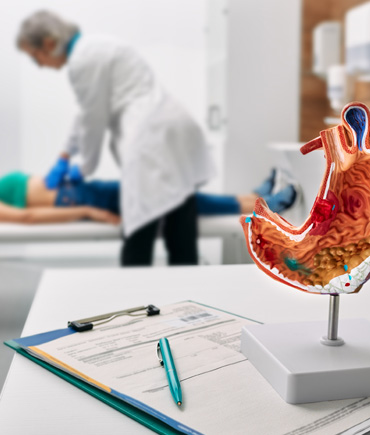
Gastrointestinal cancer may develop in any section of the gastrointestinal tract, i.e., esophagus, stomach, small intestine, large intestine, and anus. In addition, cancers of the related structures, such as the pancreas, liver, gallbladder, and bile duct, are also included in gastrointestinal cancers as they help in digestion.

The symptoms of gastrointestinal cancer depend upon the organ affected by the cancer. For instance, stools appear tarry black in case of stomach cancer and bright red in colorectal cancer. The treatment available also varies with the type of gastrointestinal cancer.
testing

Taking On Cancer, Together !​

Life does not stop when cancer strikes.​

We are with you in this fight to win over cancer. We are here to give you the strength to recover through a comprehensive cancer care program.

Request an Appointment
Life Does Not Support

Frequently Asked Questions (FAQs)

Yes, American Oncology Institute follows a multidisciplinary approach where surgical oncologists, medical oncologists, radiation oncologists, gastroenterologists, and nutritionists collaborate to provide holistic care for gastrointestinal cancer patients.

To book an appointment with expert oncologists at American Oncology Institute for gastrointestinal cancer care, you can visit AOI’s appointment page https://www.americanoncology.com/bookanappointment or call the helpline number 1800 208 2000 for assistance.

AOI offers comprehensive treatment options including surgery, chemotherapy, radiation therapy, targeted therapy, and immunotherapy, with personalized treatment plans designed by a team of expert oncologists to achieve the best outcomes.

At American Oncology Institute, gastrointestinal cancers are diagnosed using advanced imaging techniques, endoscopy, biopsy, and molecular tests to ensure precise identification and staging of the disease for effective treatment planning.

Maintaining a healthy lifestyle with a balanced diet, regular exercise, avoiding smoking, limiting alcohol consumption, and undergoing routine screenings at American Oncology Institute can help lower the risk of gastrointestinal cancers and support early detection.

Symptoms of gastrointestinal cancers may vary depending on the organ involved but can include abdominal pain, unexplained weight loss, difficulty swallowing, persistent indigestion, changes in bowel habits, or blood in stool, and at AOI, specialists ensure timely evaluation and accurate diagnosis.

Gastrointestinal cancers include cancers that affect the digestive system such as the esophagus, stomach, liver, pancreas, gallbladder, small intestine, colon, and rectum, and at American Oncology Institute, patients receive expert diagnosis and advanced treatment tailored to each cancer type.

Even in advanced stages, gastrointestinal cancers can often be managed with a combination of therapies, and at AOI, patients have access to advanced cancer care protocols and innovative treatments that help improve survival and quality of life.