×
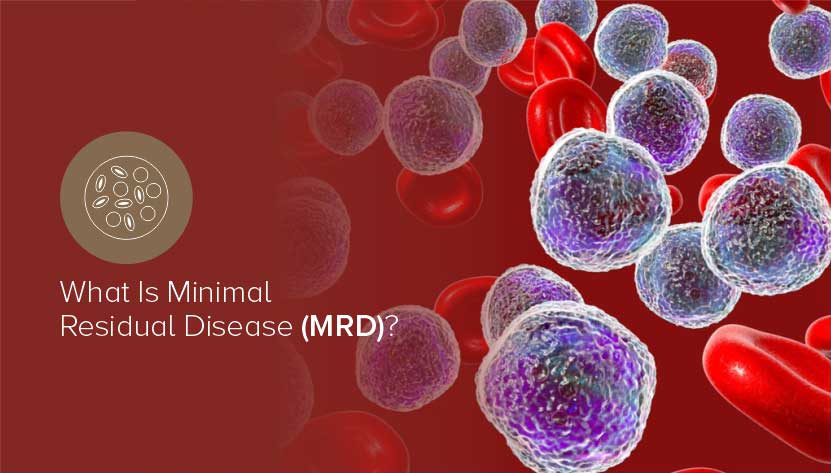
Hearing the words "cancer-free" or "in remission" is a momentous occasion for any patient. It signifies that the treatment has worked, and the detectable signs of cancer are gone. However, for some blood cancers like leukemia, lymphoma, and myeloma, a small number of cancer cells may remain in the body even after successful treatment. These remaining cells are known as minimal residual disease (MRD).
Understanding MRD is a crucial part of modern cancer care. It provides doctors with a deeper level of insight than traditional tests, allowing for more personalized treatment plans and better monitoring of your health. While the concept might sound complex, breaking it down into simple terms can help you feel more empowered and informed about your journey.