×
The small intestine plays a vital role in digestion and nutrient absorption. Despite making up nearly 75% of the length of the digestive tract, cancers of the small intestine are relatively rare compared to cancers of the stomach or colon. However, when they do occur, early diagnosis and appropriate treatment are essential for achieving the best possible outcomes.
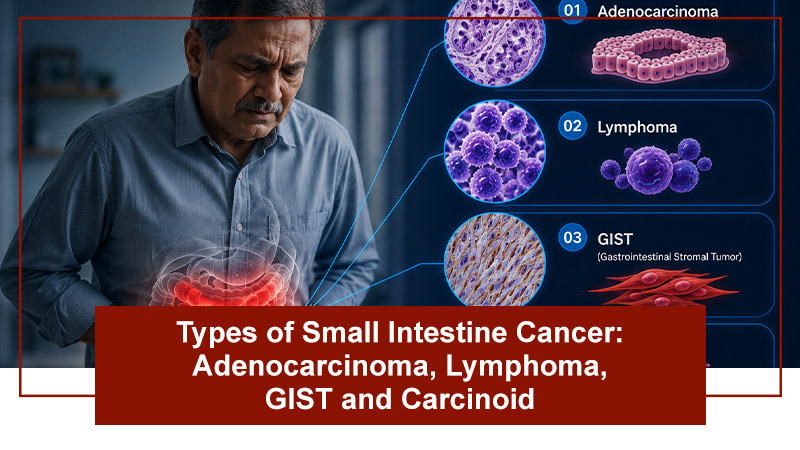
Small intestine cancer is not a single disease. Several different types of tumors can develop in the small bowel, each arising from different cells and requiring distinct treatment approaches. The four most common forms are adenocarcinoma, lymphoma, gastrointestinal stromal tumor (GIST), and carcinoid (neuroendocrine) tumors.