×
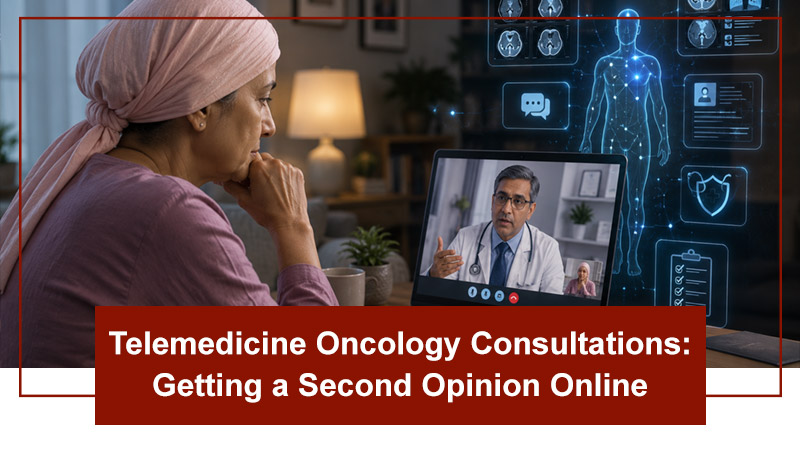
A cancer diagnosis often comes with an immediate instinct to seek a second opinion, particularly for decisions about surgery, treatment regimens, or clinical trial eligibility. Traditionally, getting that second opinion meant traveling, sometimes long distances, to a major cancer center, which was costly, time-consuming, and often impractical for patients dealing with fatigue, mobility limitations, or the logistics of ongoing treatment. Telemedicine has changed this considerably, making it possible for many patients to consult specialists at leading cancer centers from home, using a video call and a set of uploaded medical records.
This shift has been particularly meaningful for people in rural areas or regions without a nearby specialized cancer center, though it comes with real limitations that are worth understanding before relying on a virtual visit for a major treatment decision.