×
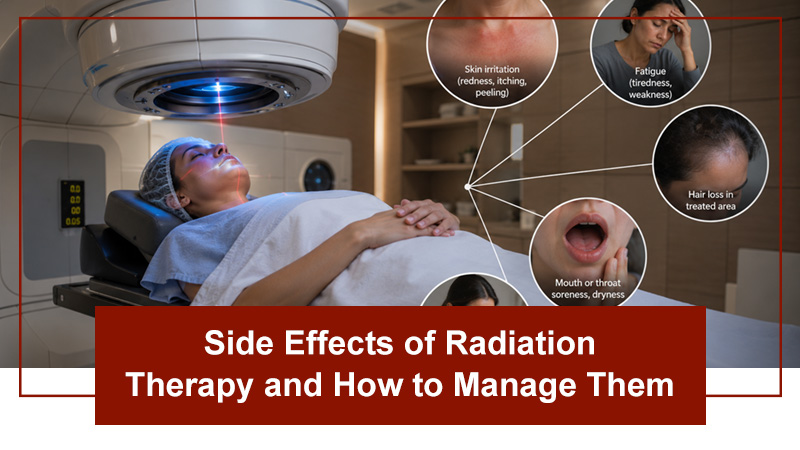
Radiation therapy uses focused, high-energy beams to damage the DNA of cancer cells, and while modern techniques target this energy with increasing precision, some effect on nearby healthy tissue is generally unavoidable. This is why radiation side effects tend to be closely tied to the specific area of the body being treated, unlike chemotherapy, which circulates throughout the entire body and produces a more uniform pattern of side effects regardless of where the cancer is located.
Understanding this location-dependent pattern helps explain why two people receiving radiation for different cancers can have quite different experiences, and why the most useful information about what to expect usually comes from a conversation with the specific radiation oncology team managing an individual's treatment field.