×
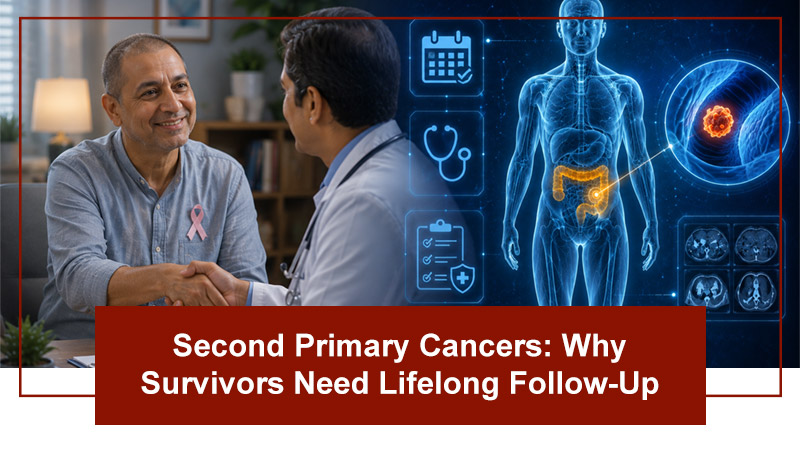
When someone who has already been treated for cancer develops a new cancer diagnosis years later, it is natural to assume the original cancer has come back. Sometimes that is exactly what has happened, but in other cases, the new diagnosis is an entirely separate cancer, distinct from the first, known medically as a second primary cancer. This distinction matters clinically, since a second primary cancer is treated as its own new disease rather than a continuation of the original one, and understanding why survivors face this risk helps explain why long-term follow-up remains important even many years after successful treatment.
Improvements in cancer treatment over recent decades mean more people are living longer after an initial cancer diagnosis, which has, somewhat paradoxically, increased attention to the long-term risk of second cancers, simply because more survivors are living long enough for this risk to become relevant.