×
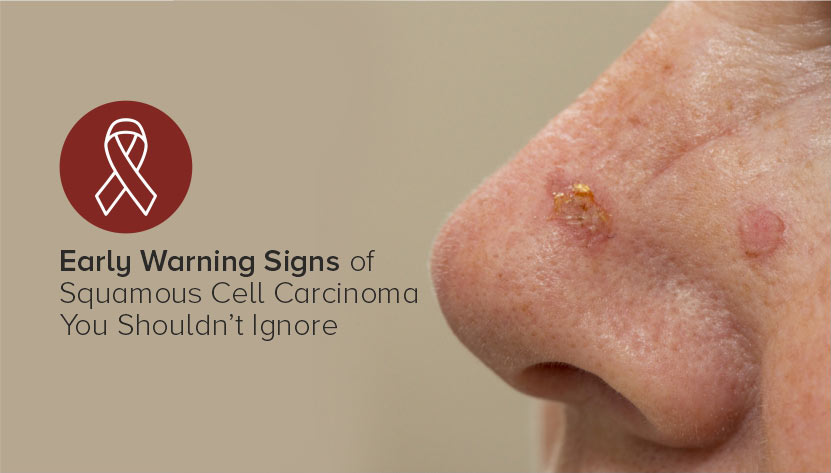
Skin cancer is the most common type of cancer, and understanding its early signs is crucial for timely diagnosis and effective treatment. Among the different types, squamous cell carcinoma (SCC) is the second most prevalent, often developing on skin that has received significant sun exposure. Recognizing the initial symptoms can make a significant difference in your health outcome. This guide provides comprehensive information on the squamous cell skin cancer warning signs that you should not ignore. By staying informed, you can take proactive steps to protect your skin and seek medical advice when necessary.
Our skin is our body's largest organ, acting as a protective barrier against the environment. However, prolonged exposure to ultraviolet (UV) radiation from the sun or tanning beds can damage the DNA in skin cells, leading to uncontrolled growth and the formation of cancerous lesions. Squamous cell carcinoma originates in the squamous cells, which are thin, flat cells that make up the middle and outer layers of the skin. While SCC is usually not life-threatening, it can become aggressive if left untreated, potentially spreading to other parts of the body. Knowing what to look for is the first step toward prevention and early detection.