×
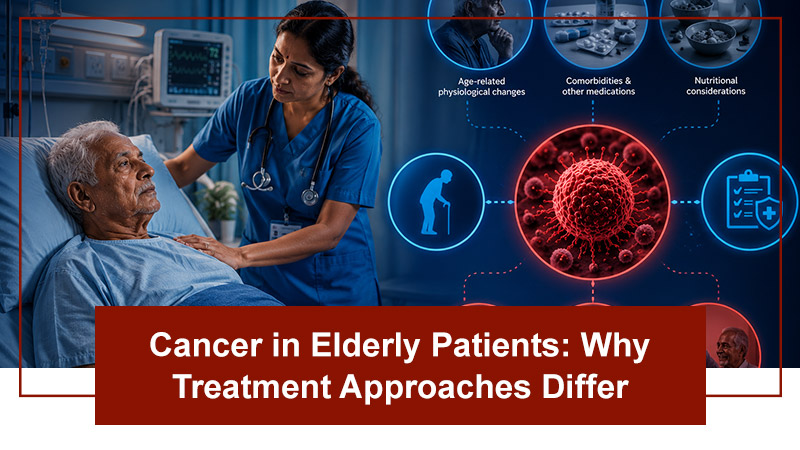
Cancer is primarily a disease associated with aging. As life expectancy increases across the world, especially in countries like India, the number of elderly individuals diagnosed with cancer is rising significantly. According to global estimates, more than half of all cancer cases occur in people aged 65 years and above. However, treating cancer in older adults is often more complex than treating younger patients.
Elderly patients are not simply "older versions" of younger individuals. Aging brings unique physiological, psychological, and social changes that can influence cancer diagnosis, treatment choices, treatment tolerance, and overall outcomes. Therefore, cancer treatment approaches in older adults often differ to ensure the best balance between effectiveness, safety, quality of life, and patient preferences.