mobile header

Overview

image

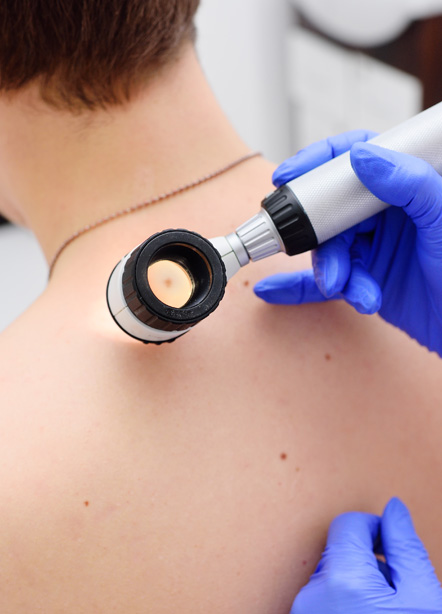
The skin contains several types of cells. One of them is melanocytes. These cells secrete melanin, which imparts color to the skin. Mutation in these cells may result in their uncontrolled growth and division, leading to melanoma. It is the most serious type of skin cancer. Apart from the external skin, cases of melanoma have also been reported in the eyes or the internal lining of the nose and throat.

Taking On Cancer, Together !​

Life does not stop when cancer strikes.​

We are with you in this fight to win over cancer. We are here to give you the strength to recover through a comprehensive cancer care program.

Request an Appointment
Life Does Not Support

Frequently Asked Questions (FAQs)

Melanoma is a serious type of skin cancer that begins in the pigment-producing cells called melanocytes, and it develops when these cells grow uncontrollably due to factors like excessive UV exposure or genetic predisposition.

Melanoma often appears as a new mole or an existing mole that changes in size, shape, or color, and symptoms can include irregular borders, uneven pigmentation, itching, or bleeding from the affected area.

The success of melanoma treatment depends on the stage at which it is detected, with early-stage melanoma having excellent survival outcomes, while advanced cases require a multidisciplinary approach to improve prognosis.

At AOI, melanoma is diagnosed using advanced techniques such as dermoscopic examination, biopsy, imaging studies, and pathology review to ensure accurate detection and staging for effective treatment planning.

Patients can reach the American Oncology Institute helpline at 1800 208 2000 or conveniently book an appointment online at https://www.americanoncology.com/bookanappointment to consult leading specialists for melanoma care.

American Oncology Institute provides expert oncologists, advanced technology, and evidence-based treatment protocols to deliver comprehensive care for melanoma patients, ensuring personalized and effective treatment outcomes.

People with fair skin, a history of frequent sunburns, family history of melanoma, weakened immunity, or extensive exposure to UV radiation are at higher risk of developing melanoma.

Treatment for melanoma at AOI may include surgery to remove cancerous tissue, immunotherapy, targeted therapy, chemotherapy, or radiation therapy depending on the stage and progression of the disease.