
mobile header

Overview

image

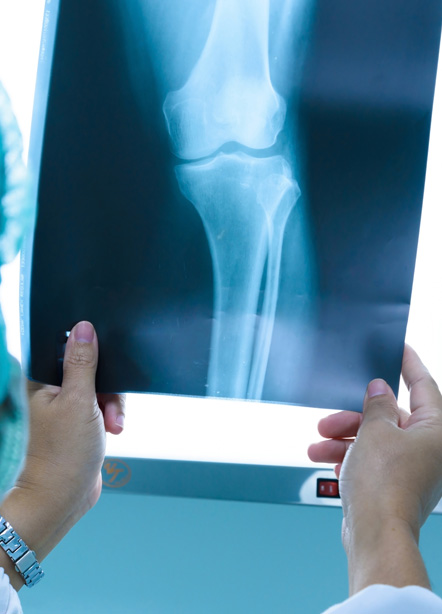
Ewing sarcoma is a rare soft tissue and bone cancer that usually affects children and teenagers. It commonly occurs during the puberty phase when the growth rate of bone is high. Young males are at increased risk for developing Ewing sarcoma than young females. It commonly occurs in the pelvis, shoulder blades, ribs, and legs. The types of Ewing sarcoma are bone tumor, soft tissue tumor, and Askin tumor.

Taking On Cancer, Together !​

Life does not stop when cancer strikes.​

We are with you in this fight to win over cancer. We are here to give you the strength to recover through a comprehensive cancer care program.

Request an Appointment
Life Does Not Support

Frequently Asked Questions (FAQs)

Prognosis depends on factors like tumor size, location, and whether the cancer has spread, but early diagnosis and treatment significantly improve outcomes.

You can contact AOI’s helpline at 1800 208 2000 or book an appointment online through AOI’s appointment portal

What are the common symptoms of esophageal cancer?

Ewing’s Sarcoma is a rare and aggressive type of cancer that typically develops in the bones or soft tissues, often affecting children, adolescents, and young adults.

Patients with Ewing’s Sarcoma may experience localized pain, swelling, or a noticeable lump in the affected area, sometimes accompanied by fever or fatigue.

Diagnosis usually involves a combination of imaging tests such as X-rays, MRI, CT scans, and a biopsy to confirm the presence of cancer cells.

Yes, Ewing’s Sarcoma has the potential to metastasize, most commonly to the lungs, other bones, or bone marrow, making early detection crucial.

Treatment typically includes a multidisciplinary approach with chemotherapy, surgery, and sometimes radiation therapy, tailored to the patient’s specific condition.